"I was too tired."
“Something else came up.”
“It was rainy.”
“It was snowing.”
“It was too dark.”
“It was too cold.”
“It was too hot.”
As a health coach, I hear these statements every day. Members share a variety of reasons why they opted out of exercise during the time they had set aside for it.
At times, these reasons are completely valid. Life happens, and unexpected circumstances can disrupt even the best intentions. But if we’re being honest, most people can tell the difference between a true barrier and an avoidable excuse.
As summer progresses and temperatures climb across much of the country, heat becomes the most common concern. While exercising in hot conditions does carry risks, those risks can be managed. With the right knowledge and small adjustments, physical activity can remain both safe and effective, even when the temperature rises.

Is It Safe to Exercise in the Heat?
As a Certified Athletic Trainer with experience ranging from high school cross country to Division I football, I’ve seen firsthand how important heat precautions are. That said, avoiding exercise entirely is rarely necessary and can actually hinder your health goals.
Acclimatization
Your body is remarkably adaptable. The more consistently you exercise in the heat, the better it becomes at handling it. Gradual exposure is key and over time, several beneficial changes occur:
- You begin to sweat earlier and more efficiently, with less electrolyte loss
- Your blood vessels regulate more effectively, directing blood flow where it’s needed most
- The same level of effort starts to feel easier
- You're able to exercise longer despite the heat
Consider these factors:
How acclimated are you?
If your recent workouts have been in mild temperature conditions, your body won’t perform the same in extreme heat. Start by reducing intensity and duration when exercising in the heat until you build tolerance. Start slowly and progress safely.
What are you wearing?
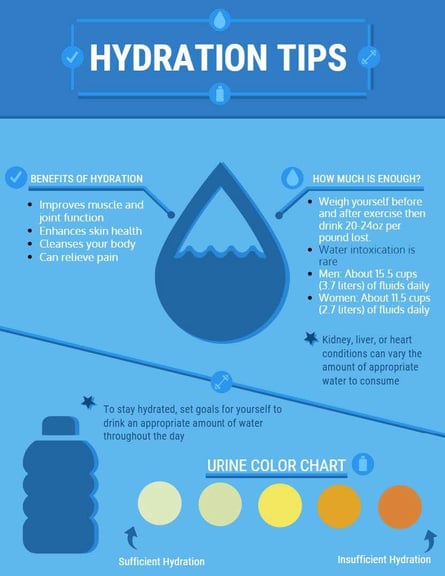
Heavy gear, dark-colored clothing, thick materials, helmets, or padding can trap heat and increase risk. When possible, choose lighter clothing or modify your activity that does not require so much gear or protective material that could trap excess heat and prevent bodily cooling.
Are you hydrated before you start?
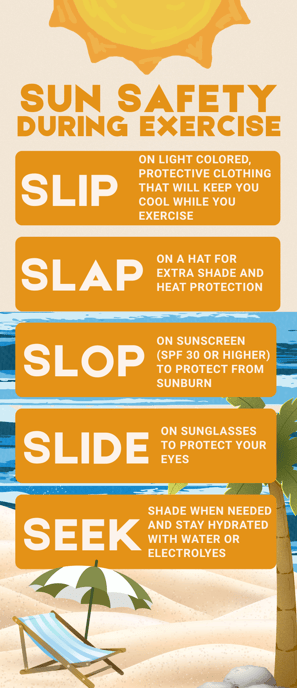
Hydration begins before you even head out the door to begin your workout. Starting a workout already dehydrated puts your at a disadvantage when attempting to stay cool. A simple check: light-colored urine typically indicates good hydration. Ensure you are consuming adequate fluids in the hours prior to stepping foot out into the sun.
What’s your hydration plan during exercise?
Have water accessible and drink when you’re thirsty and aim to replace fluids lost through sweat without overconsuming. For longer or more intense sessions, consider electrolyte replenishment as well.
Conclusion
Excuses are easy, especially when conditions aren’t ideal. But progress rarely comes from perfect circumstances; it comes from consistency and adaptability. Rather than asking, “Should I skip today?” try asking, “How can I adjust?”
When you learn to work with the environment instead of against it, you build not only physical resilience but mental discipline as well. And that’s where lasting change happens.
Looking for spiritual support? You’re not meant to walk alone. Stay connected with the Medi-Share blog for uplifting articles, useful tips, inspirational stories and helpful resources to support you on your journey with God.

The Biblical Wellness Program was created to support our members in their wellness journey and do it all from a biblical perspective. As Christians, we're...