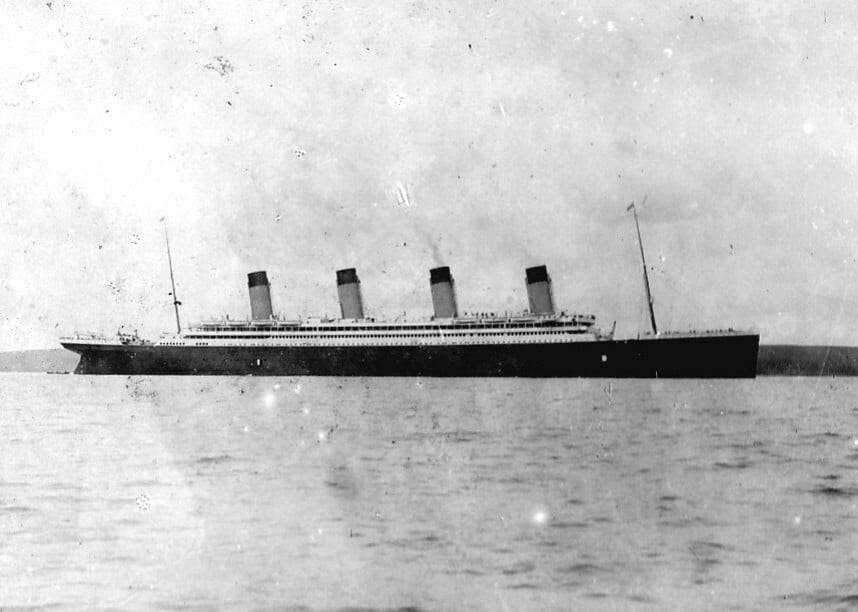
April marked another anniversary of the sinking of the RMS Titanic. It is a story most people feel they already know. A ship, a voyage, a tragedy told countless times across generations.
And yet, every so often, something surfaces that reminds you not every part of that story has been fully told.
For me, that moment came quietly. Not in a museum or a headline, but in a box of old family belongings.
I was born and raised in Cork City, Ireland. Like most people, I grew up with a general understanding of the Titanic. It was part of our history, something you learned in school and heard spoken about, especially with Cobh being the last port of call.
But I never imagined my own family would be connected to it in any way.
That realization came years after I had already picked up a camera myself.
I began working in photography in 2008, drawn to documentary work and the process behind capturing real moments in time. There is something about photography that always felt deeper than just taking pictures. It is writing with light. It is the discipline of seeing, anticipating, and preserving something that would otherwise be lost.
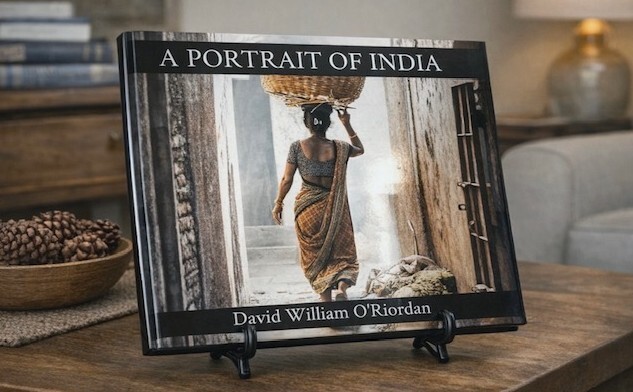
Over the years, that work has taken me across different parts of the world. I have photographed in India, Turkey, and across parts of Africa. I have worked throughout Ireland and now here in the United States. Different cultures, different environments, different people, yet always the same pursuit: to capture something real, a moment that actually existed.
Now that matters more than ever.
We are living in a time where images can be created instantly. They're clean, polished, almost perfect but often missing something. They lack the weight of reality. The imperfections. The atmosphere.
When you stand in a place, you hear the sounds around you. You feel the air, the movement, the unpredictability. You are making decisions in real time: shutter speed, ISO, aperture, white balance. These are small adjustments that shape how that moment is captured. That is what it means to write with light.
And that is where this story became personal in a way I didn’t expect.
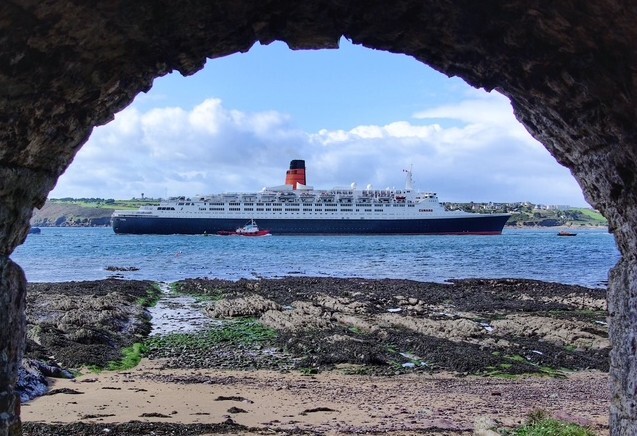
Years before I knew anything about my family’s photographic history, I stood on a beach in Ireland photographing the final voyage of the QE2 as it passed along the coast. I remember framing the shot through the opening of an old stone structure, the sea moving, the light shifting, trying to get everything aligned in that one brief window of time.
It was just another photograph at the time.
But years later, standing there again in a different sense, holding that image connected to the Titanic, something clicked.
My great grandfather would have been doing the exact same thing.
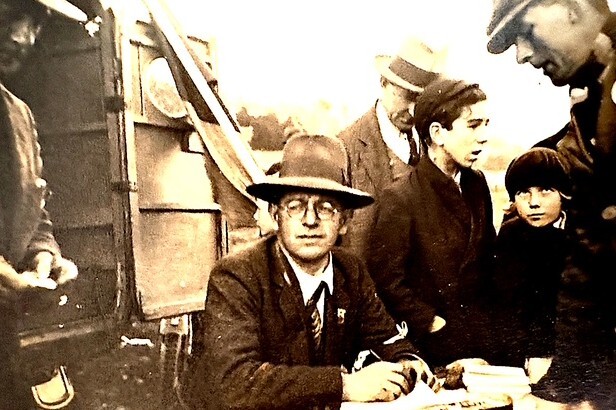
Standing near that same coastline, watching a ship pass through the frame, adjusting his camera, working through the limitations of his equipment, making decisions in the moment, and capturing something that would only exist for seconds.
No filters. No second chances. Just awareness, instinct, and timing. That connection was not theoretical. It was real.
After my great grandaunt, Carmel Frost, passed away, our family began sorting through her belongings. Among them were boxes filled with photographic history: old cameras, negatives, glass plates, and scrapbooks carefully preserved over decades.
What we found wasn’t just family memorabilia. It was a legacy.
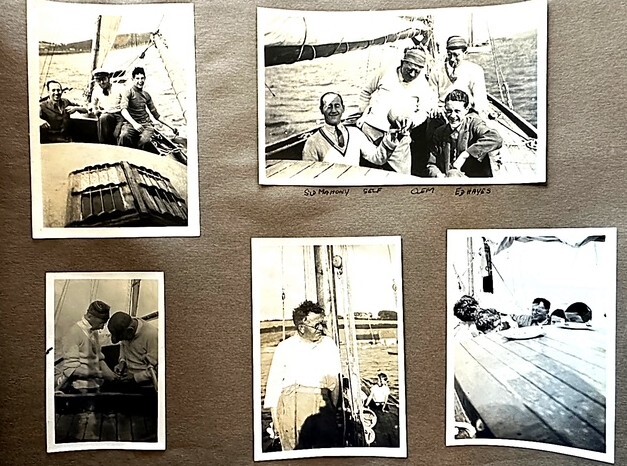
My great grandfather, J.P. Frost, had been a photographer and so was my grandfather, who I am named after. Generations of men who documented the world around them, long before I ever understood that same pull in my own life.
Then came the moment that stopped me.
Among the collection was an image tied directly to the Titanic. A photograph taken as the ship made its way along the Irish coast. Not something staged or recreated, but a real moment captured as it happened.
A scene that existed for only a brief window in history, preserved by someone who likely had no idea how significant it would become.
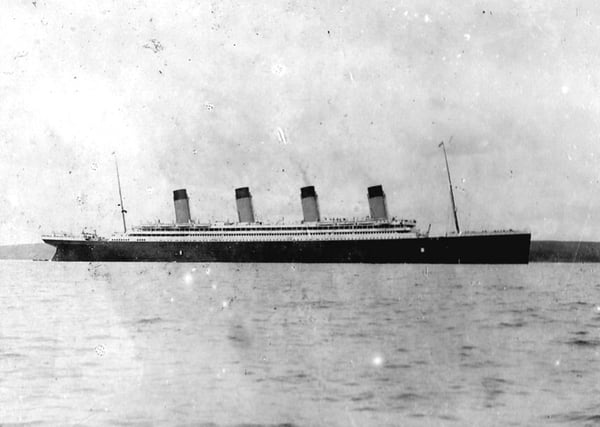
Standing there, holding that piece of history, I could see it differently. Not just the image itself, but the process behind it.
The positioning. The patience. The adjustments. The decision to press the shutter at exactly the right moment.
The same process I had followed myself years later without even knowing it. And that is when it hit me.
This wasn’t just about the Titanic. It was about legacy.
It was about how something done faithfully, without recognition, without applause, can carry forward in ways you never see.
I had already spent years building my own career in photography, telling stories through the lens, capturing people and places across different parts of the world. And yet, in that moment, it felt like I was stepping into something that had started long before me.
There is a weight to that. But there is also clarity because it forces you to ask a simple question.
What are you building that will last beyond you?
The Titanic itself stands as a reminder of human ambition. A ship declared unsinkable, built with confidence, yet gone within hours. It is a story often told as a warning about pride and limitations.
But alongside that story are quieter ones. Stories of individuals, of small actions, of moments captured without knowing their future significance.
That is where this connects to something deeper.
Scripture reminds us that our work is never just about the moment in front of us.
“Moreover it is required in stewards, that a man be found faithful.”
1 Corinthians 4:2
Faithfulness rarely feels significant at the time. It often looks ordinary. Consistent work. Showing up. Doing something well when no one is watching.
My great grandfather likely never imagined that a photograph he took would one day resurface as part of a much larger story. He was simply doing what he had been given to do.
And yet here we are, generations later, still impacted by it. That is how legacy actually works.
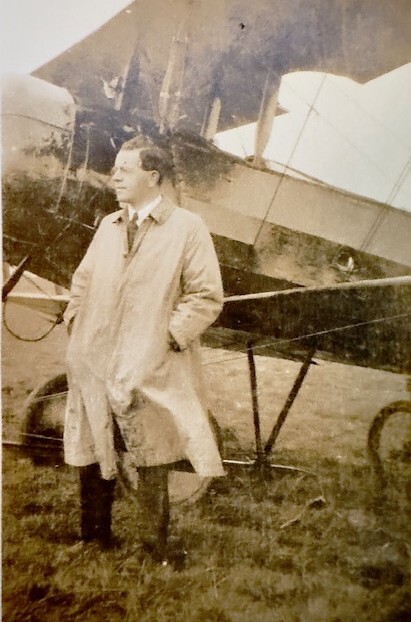
Not through grand gestures alone, but through steady, faithful action over time.
Photography taught me that moments matter. That what you capture today may carry meaning far beyond what you see right now.
Faith teaches the same thing.
You are not just living for today. You are building something that will outlast you, whether you realize it or not.
The question is not whether you are leaving a legacy.
The question is: what kind?
Check out more of David's photography at https://www.dorphoto.com/projects

David O’Riordan serves as the Senior Director of Service Experience at Medi-Share. He and his wife, Mindi, have been married since 2004 and have three...